Choosing to develop creams without palm oil means turning a formulation choice into a broader commitment to the future of our planet.
Every product we make is born from a series of decisions: which raw materials to use, where they come from, how they are processed and what impact they may have throughout their life cycle. That is why giving up palm oil in our creams is, for our company, an opportunity to rethink the product from a more responsible perspective, one that pays closer attention to the environment.
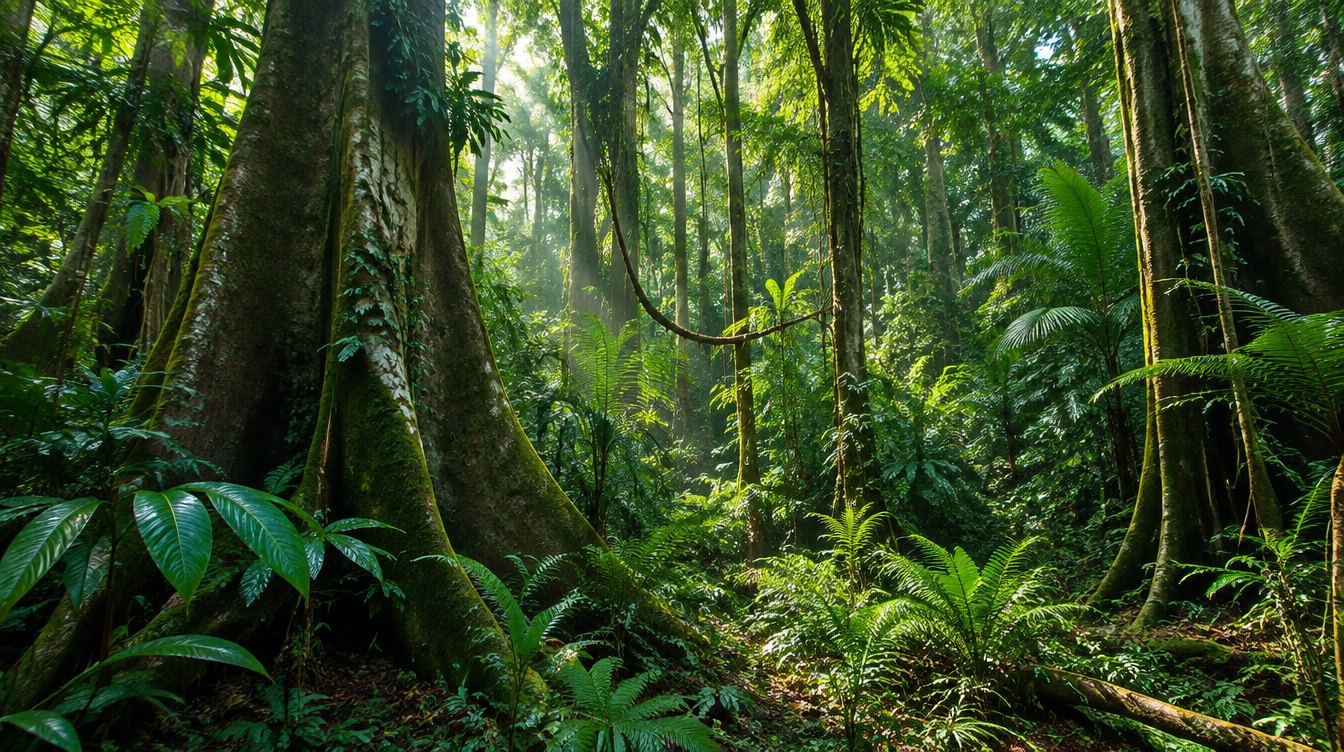
The production of certain agricultural raw materials can be associated with deforestation, loss of biodiversity and the consumption of natural resources.
For us, therefore, a palm-oil-free cream is not simply a product without a certain ingredient. It is the result of a research journey aimed at finding the right balance between quality, taste, functionality and sustainability.
The goal is to develop formulations that keep the creaminess, the pleasure and the characteristics consumers expect, using raw materials selected with greater attention to origin, traceability and environmental impact. This choice is part of a wider company vision: producing today with tomorrow in mind.
We believe that sustainability should not be treated as an accessory to the product, but as a principle that accompanies every stage of the production process. From supplier selection to research and development, from production to packaging, every step can become an opportunity to reduce waste, use resources more efficiently and progressively improve our impact on the environment.
Our policy does not stop at replacing palm oil. We want to promote a company culture in which innovation and environmental responsibility move forward together. This means evaluating alternatives not only for their technological performance, but also in terms of origin, traceability, use of resources and overall impact.
We are aware that no single ingredient can, on its own, solve the great environmental challenges of our time. Yet we believe that change is born from the sum of many concrete choices. A recipe, a raw material, a production process can become part of a bigger journey.
This is why we choose to develop palm-oil-free creams as the expression of a commitment: to innovate responsibly, to value the planet’s resources and to build products that look to the future.
Because safeguarding the planet does not only mean thinking of the generations to come. It means taking responsibility, today, for the choices that will shape their tomorrow.