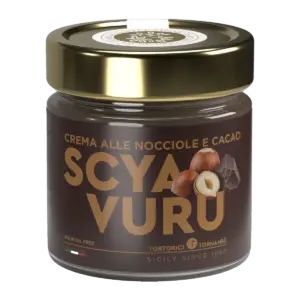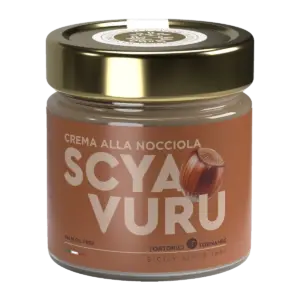
For those who want only hazelnut
Hazelnuts Cream 22%
A white cream with 22% hazelnuts and no cocoa: sweet, toasty and pure. On warm bread, in crêpes or by the spoon.
DiscoverAll of Scyavuru's hazelnut, made in Sicily: creams with 20–22% hazelnuts of Italian origin, a protein cream, a pourable topping and the chocolate panettone. Palm oil free jars.
See the productsA hazelnut spread is a sweet cream made from roasted hazelnuts, sugar, milk and vegetable fats, with or without cocoa. What makes the difference is the percentage of hazelnuts and the fats used: our Hazelnut Cream 22% is a white cream with no cocoa, while the Hazelnut and Cocoa Cream 20% is the classic chocolate hazelnut spread, also in the big Spoom 300 g jar. The best-known supermarket spread stops at 13%.
In the 20–22% creams we use hazelnuts of Italian origin (it says so on the label), roast them in our facilities in Ribera, Sicily and, in the classic creams, refine them with sunflower oil, cocoa butter and extra virgin olive oil: never palm oil in the jars. If you watch your sugar there are the Hazelnut Cream No Added Sugar and the Protein Hazelnut and Cocoa Cream; for gelato the hazelnut topping and, at Christmas, the chocolate panettone with its jar of cream. See also our guides to pistachio cream and no added sugar spreads.
Hazelnut and cocoa or pure hazelnut, no added sugar or high protein, to spread or to pour: here are all the Scyavuru hazelnut products and who each one is made for. Or take the quiz.
Two questions, twenty seconds: tell us how you'll use it and how you like it.
Question 1 of 2
When would you enjoy it?
Question 2 of 2
How do you like it?
Here are the perfect products for you
For those who want only hazelnut
A white cream with 22% hazelnuts and no cocoa: sweet, toasty and pure. On warm bread, in crêpes or by the spoon.
DiscoverFor the classic breakfast
20% hazelnuts and 5% cocoa, with extra virgin olive oil instead of palm oil: hazelnut and cocoa spread as it should be.
DiscoverFor families who go through a lot
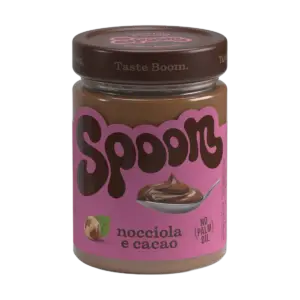
The same hazelnut and cocoa recipe in the 300 g Spoom jar: 20% hazelnuts, velvety and intense, perfect for filling cakes and crêpes.
DiscoverFor hazelnut lovers who watch their sugar
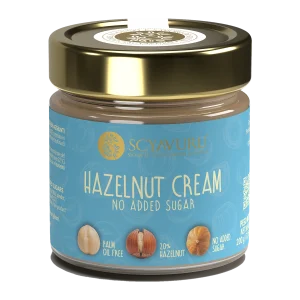
20% hazelnuts sweetened with maltitol: 16 g of naturally present sugars per 100 g instead of 34–35 g.
DiscoverFor a protein snack
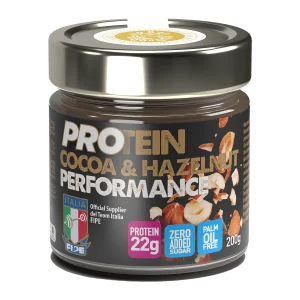
Hazelnut and cocoa with 21 g of protein and 8.5 g of sugars per 100 g, no added sugar. Great after training.
DiscoverFor gelato like at the gelateria
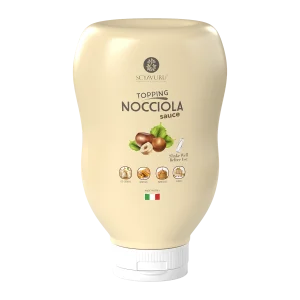
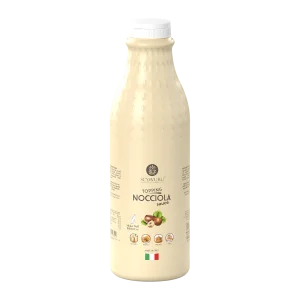
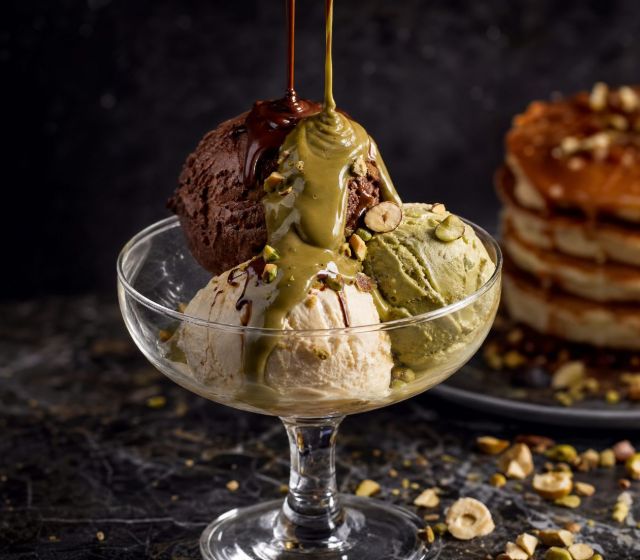
Pourable hazelnut sauce with 20% hazelnuts and no cocoa, in a 250 g bottle: on gelato, pancakes and affogato.
DiscoverFor a chocolate Christmas
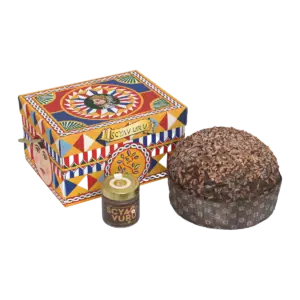
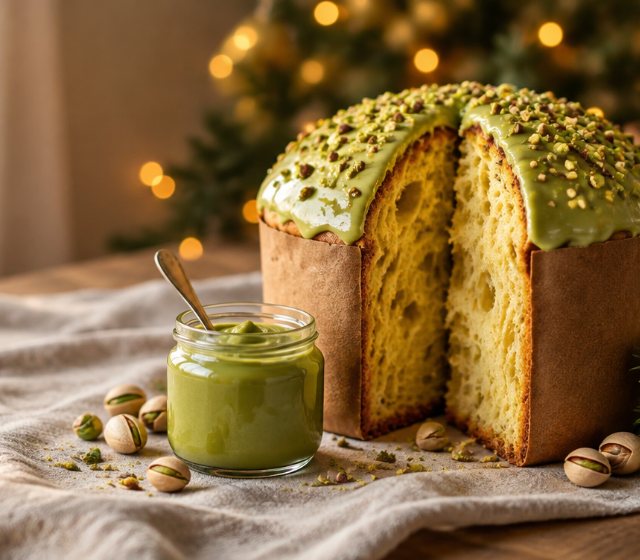
Artisanal chocolate panettone made in Sicily, no raisins or candied peel, with a 200 g jar of hazelnut and cocoa cream 20% in a gift box.
DiscoverHazelnut and cocoa content, texture and values per 100 g from the technical data sheets.
| Product | Hazelnuts | Texture | Sugars / 100 g | Protein / 100 g | Best for |
|---|---|---|---|---|---|
| Hazelnuts Cream 22% | 22% | Smooth, white (no cocoa) | 35 g | 7.1 g | Bread, crêpes, by the spoon |
| Hazelnut and Cocoa Cream 20% | 20% + 5% cocoa | Smooth and velvety | 34 g | 7.8 g | Everyday breakfast |
| Spoom Hazelnut and Cocoa Cream 20% | 20% + 5% cocoa | Velvety, 300 g jar | 34 g | 7.8 g | Fillings, families |
| Hazelnut Cream No Added Sugar | 20% | Smooth | 16 g* | 9.6 g | A lighter breakfast |
| Protein Hazelnut and Cocoa Cream | 10% + 10% cocoa | Thick | 8.5 g* | 21 g | Protein snack, training |
| Hazelnut Sauce (Topping) | 20% | Pourable (topping) | 48 g | 5.5 g | Gelato, pancakes |
* No added sugar: sweetened with maltitol; the sugars shown are those naturally present. Average values from the technical data sheets (rev. 2026). For comparison, the best-known supermarket hazelnut spread contains 13% hazelnuts.
The hazelnut percentage must appear on the label (EU Regulation 1169/2011). The higher it is, the more the roasted hazelnut comes through; cocoa adds the chocolate note.
The Hazelnut Cream 22% has no cocoa: 22 g of hazelnuts in every 100 g and a clean, toasty taste. The one to choose if you love hazelnut more than chocolate.
The Hazelnut and Cocoa Cream 20% adds 5% cocoa to 20% hazelnuts: the classic spread, with extra virgin olive oil instead of palm oil. Also in the Spoom 300 g jar and with the chocolate panettone.
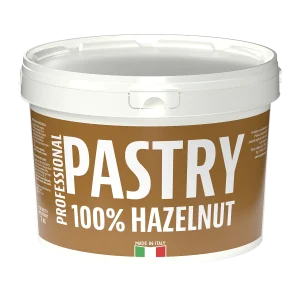
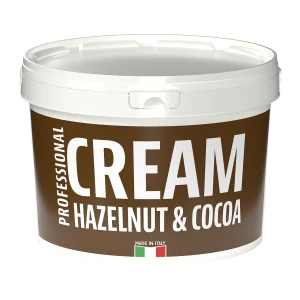
For gelato makers and pastry chefs, the 100% Pure Hazelnut Paste contains only ground hazelnuts: 16 g of protein per 100 g and nothing added, in a 3 kg bucket from the Professional Collection.
Before it becomes a cream, the hazelnut is a fruit with a surprising life cycle and a long history with chocolate.
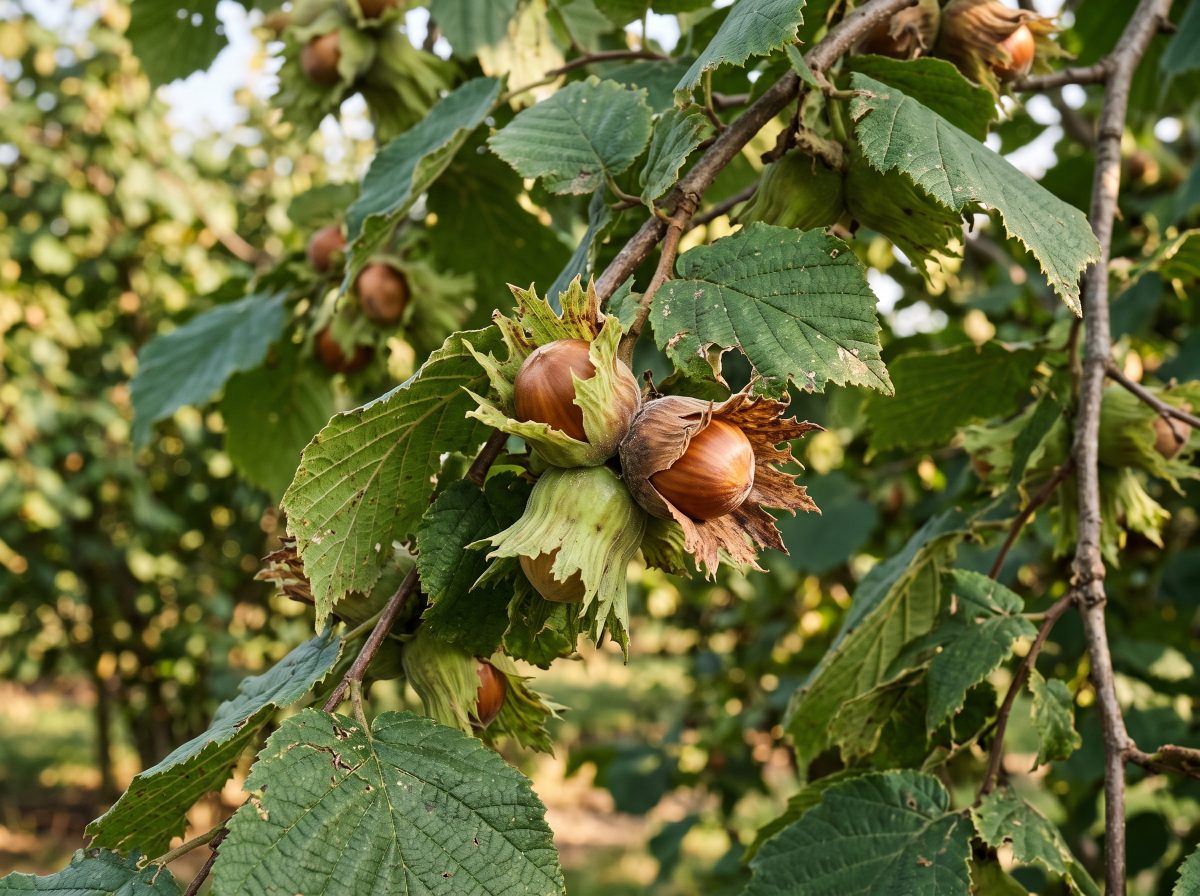
Unlike peanuts, almonds or pistachios, the hazelnut is a true nut in the botanical sense: a dry fruit with a hard shell that does not open by itself, wrapped in a leafy husk. The hazel tree (Corylus avellana) belongs to the Betulaceae, the same family as the birch.
Hazel blooms in January and February, when almost everything else is bare: the long yellow male catkins release their pollen into the wind and the tiny red female flowers catch it. Fertilisation then waits four to five months, until late spring.
After roasting, the thin brown skin becomes brittle and is rubbed off: that is why roasted hazelnuts are paler and sweeter. Roasting also triggers the Maillard reaction, which creates the toasty, almost biscuity aroma of a good hazelnut cream.
The story goes that in Turin, in the early 1800s, Napoleon's continental blockade made cocoa scarce and expensive, so chocolatiers stretched it with hazelnuts. From there came gianduja, the ancestor of every hazelnut and cocoa spread.
100 g of hazelnuts provide about 15 g of protein and 10 g of fibre, plus vitamin E (around 15 mg, more than the daily reference intake), magnesium, manganese and copper. About three quarters of the fat is monounsaturated, mostly oleic acid, as in olive oil. Energy-dense and easy to carry, hazelnuts are a classic for long rides and hikes; on toast, the Protein Hazelnut and Cocoa Cream adds 21 g of protein per 100 g with no added sugar.
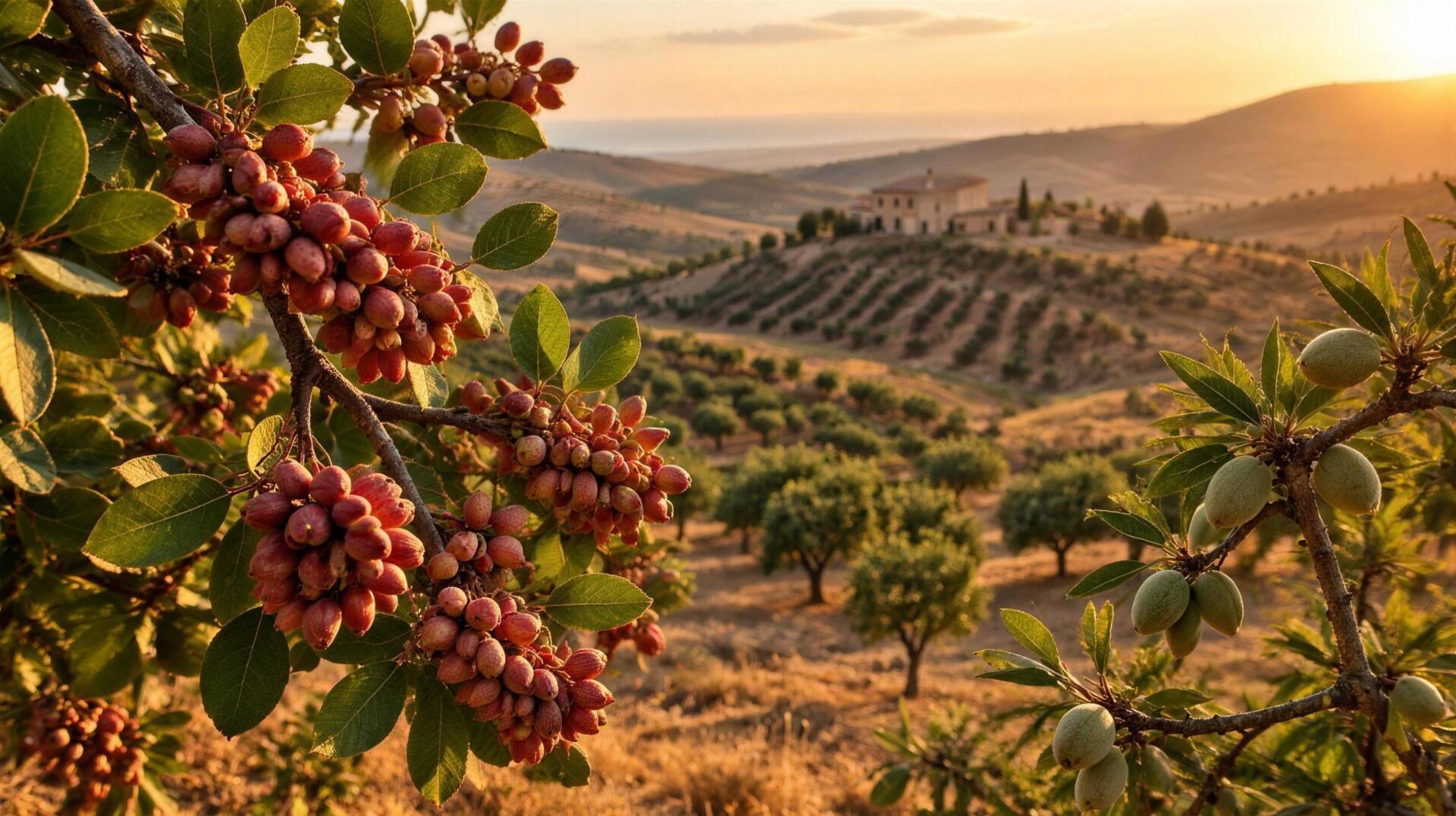
Since 1950 we have been working nuts in Ribera, in the agricultural heart of Sicily. For the 20–22% creams we choose hazelnuts of Italian origin, roast them in our own facilities until golden and refine them slowly into a smooth, velvety cream.
The recipes have few ingredients: in the jars the fats are sunflower oil, cocoa butter and extra virgin olive oil, never palm oil. Every batch is checked before jarring, in facilities certified BRCGS Food Safety and IFS Food.
Hazelnut first. No shortcuts.
How we produceThe Professional Collection formats: hazelnut and cocoa cream in a 3 kg bucket, 100% pure hazelnut paste for gelato and an 800 g hazelnut topping for bars and gelaterie.
A pourable hazelnut sauce with 20% Italian hazelnuts – no cocoa – smooth and ready to drizzle over gelato, pancakes and desserts.…
DiscoverPure hazelnut paste made from 100% European hazelnuts, ground to a smooth, lump-free cream. No sugar, no oil, no additives – the…
DiscoverA professional hazelnut-and-cocoa cream with 13% Italian hazelnuts and 7% low-fat cocoa. Velvety, chocolate-brown and stable at room temperature – the everyday…
DiscoverGoogle reviews from customers who have tried Scyavuru creams.
 Veera Zukova
The ultimate taste of Sicily to take home! 🍋I bought the premium Crema di Limone and the authentic Crema al Pistacchio by Scyavuru at the airport duty-free shop right after my vacation. These spreads are the perfect gourmet souvenirs to bring back to Finland and recreate that authentic Italian breakfast experience at home. The texture is incredibly smooth, and the flavors are rich and delicious.Highly recommend grabbing a jar before your flight to keep your holiday memories alive — they make the best high-quality gifts for food lovers!
Thank you ❤️❤️❤️👍🫠 scyavuru
 Vlad Tundrea
I have this feeling that there are no better tasting creams in the world. It's a whole new thing for me, I adore them, and that soft fresh panettone. I really hope to also visit the place someday.
 Roman Krafft
Always prefer their quality! My wife has tied several different pistachio Cremes here in Sweden and the best price quality is from here:) I am happy to try other tastes now!
 Alexa S
Best mandarine jam I ever tasted!
 Nelly Frenda
Ottima locazion, host Aurora molto disponibile e professionale.
Ci siamo trovati bene, ci ha guidati in un trekking naturalistico di particolare interesse, tornerò di nuovo.
 Marta Ariberti
Ho aquistato le marmellatine da 20 g come bomboniere per il mio matrimonio!!! Ho preso il pistacchio, la mandorla, l'arancia ed il fico d'india. Gusto super, la spedizione è stata velocissima ed i prodotti sono stati super apprezzati!!!
Ingredients, percentages, cocoa, palm oil, use and storage: answers to the most frequent questions.
A sweet cream made from roasted hazelnuts, sugar, milk and vegetable fats, with or without cocoa. Scyavuru hazelnut spread is made in Ribera, Sicily, with 20–22% hazelnuts of Italian origin in the classic creams.
22% in the Hazelnut Cream 22% (no cocoa), 20% with 5% cocoa in the Hazelnut and Cocoa Cream 20% and the Spoom 300 g, 20% in the No Added Sugar cream, 10% with 10% cocoa in the Protein cream and 20% in the hazelnut topping. The percentage is always on the label.
The Hazelnut Cream 22% is white: hazelnuts, milk and no cocoa, for a pure hazelnut taste. The Hazelnut and Cocoa Cream 20% adds 5% low-fat cocoa, for the classic chocolate and hazelnut flavour.
The jars and the topping do not: the classic creams use sunflower oil, cocoa butter and extra virgin olive oil (read why). The professional 3 kg hazelnut and cocoa cream contains palm oil, as stated on its page, and so does the glaze of the chocolate panettone.
In the 20–22% creams and in the hazelnut topping the label states hazelnuts of Italian origin. Roasting, refining and packing take place in our facilities in Ribera.
Yes: the Hazelnut Cream No Added Sugar (20% hazelnuts, maltitol, 16 g of sugars per 100 g) and the Protein Hazelnut and Cocoa Cream (21 g of protein, 8.5 g of sugars). All the options are in our guide to no added sugar spreads.
For the classic taste the Hazelnut and Cocoa 20% (or the Spoom 300 g for the whole family); for pure hazelnut the 22%; if you watch your sugar the No Added Sugar; after training the Protein. The quiz on this page helps you decide.
On warm bread or rusks, to fill crêpes, croissants, tarts and biscuits, rippled into gelato or yogurt. For gelato and pancakes the pourable hazelnut topping is easier. You will find recipes in our blog.
In a cool, dry place with the lid closed. No need for the fridge, which would make it hard to spread. It keeps for 18 months from production.
Yes: tree nuts (hazelnuts) and milk; the panettone also contains gluten and eggs. There may be traces of gluten, peanuts and soy. Full details are on the label and on each product page.
The creams contain no gluten ingredients, but they may contain traces of wheat because they are made in a facility that also handles it; they are not certified gluten free.
Yes: the hazelnut and cocoa cream and the 100% pure hazelnut paste in 3 kg buckets and the 800 g hazelnut topping in the Professional Collection; for larger volumes see our B2B Services.
Shipping is free for orders from €69 in Italy and from €99 in the rest of the European Union. All products are in the shop.
Breakfasts, cakes and desserts to make the most of every jar.
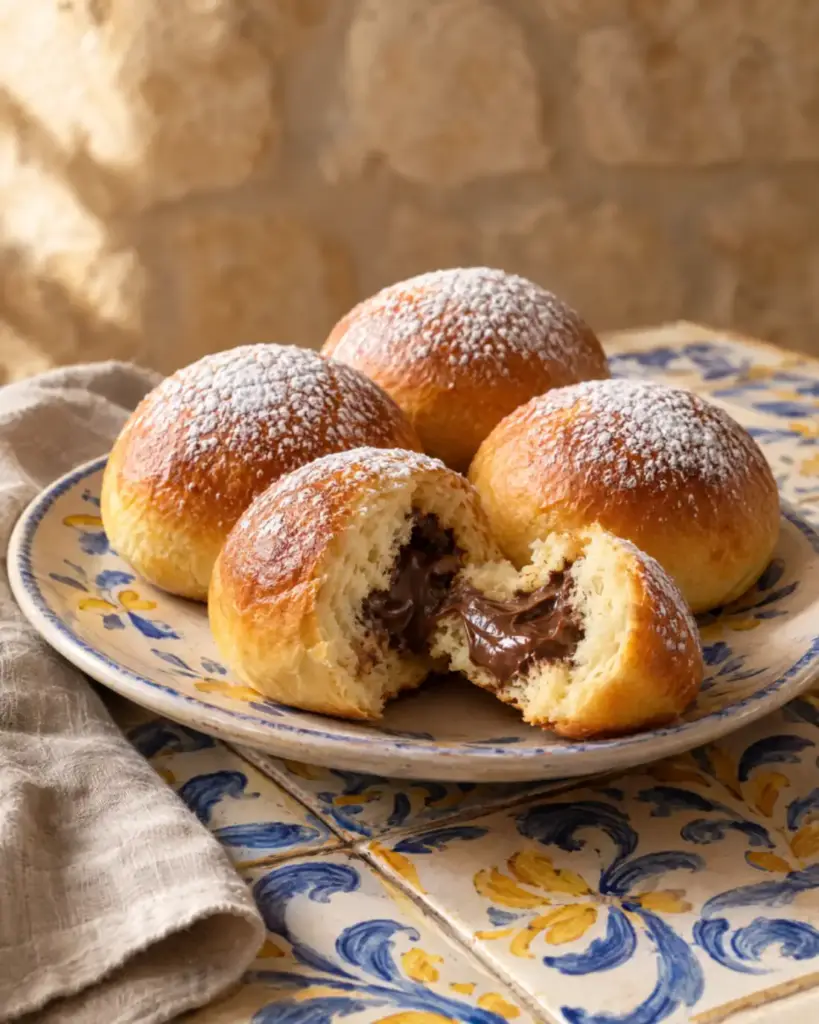
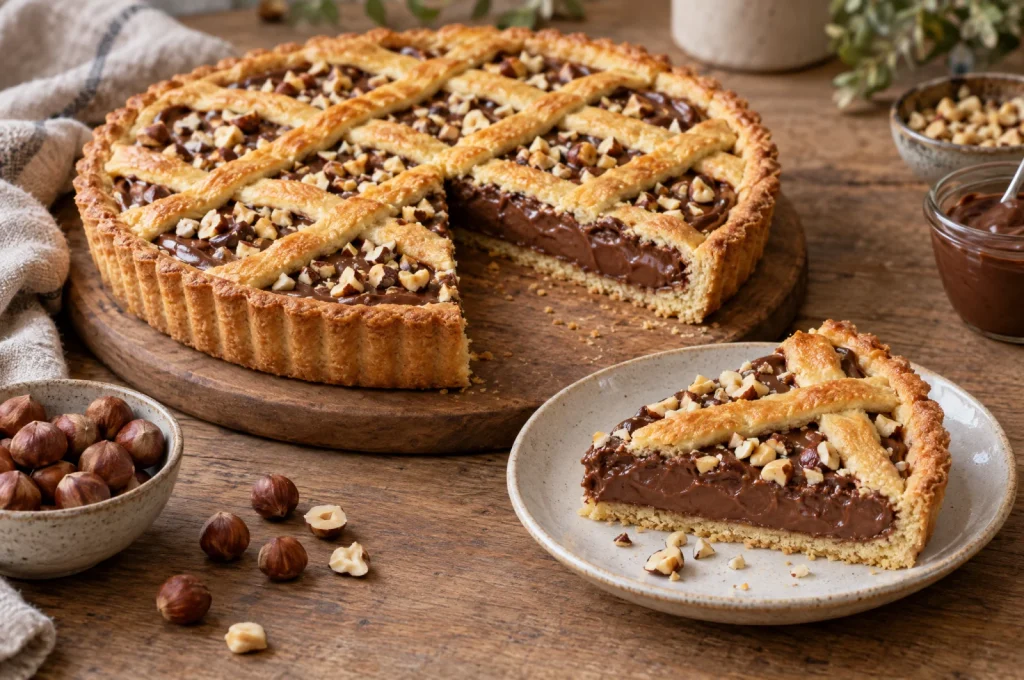
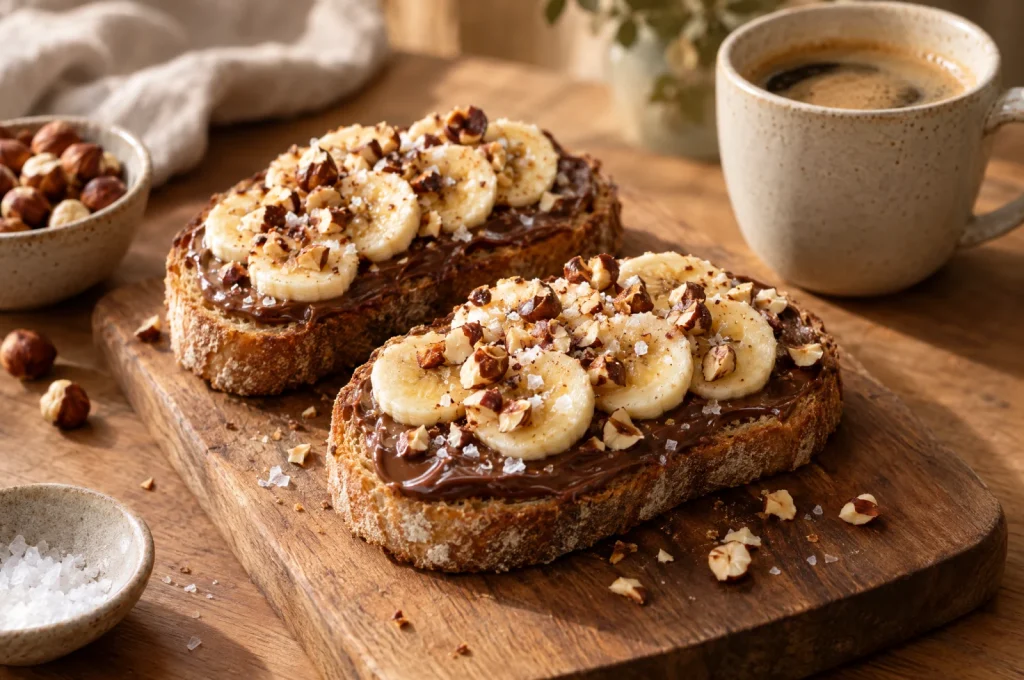
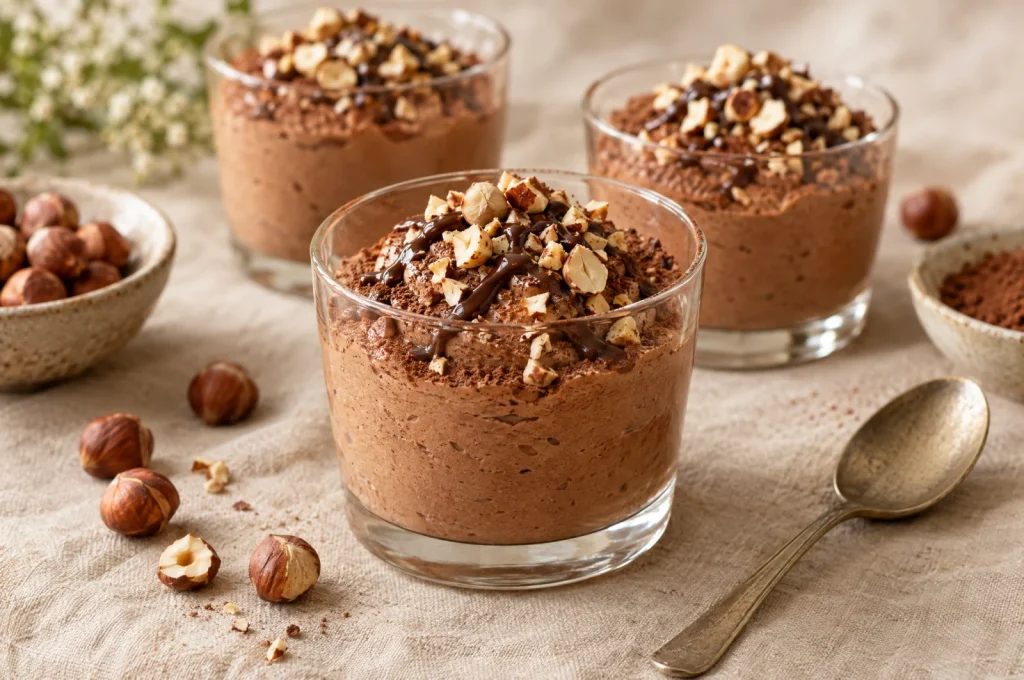
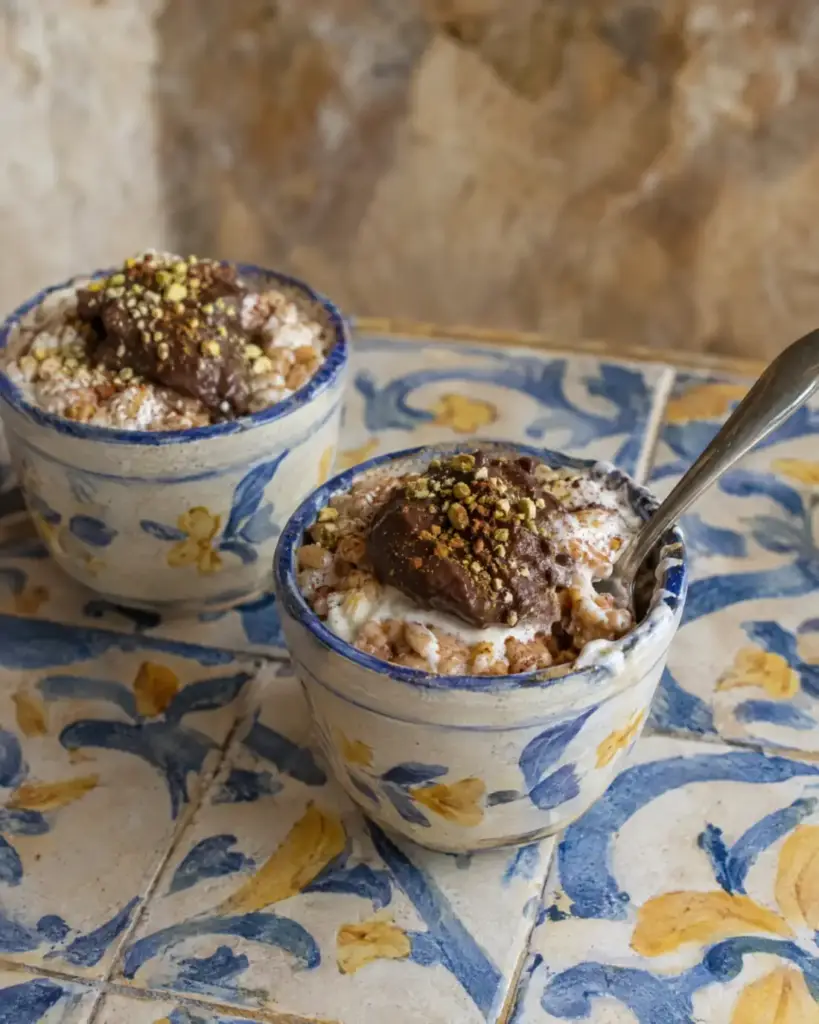
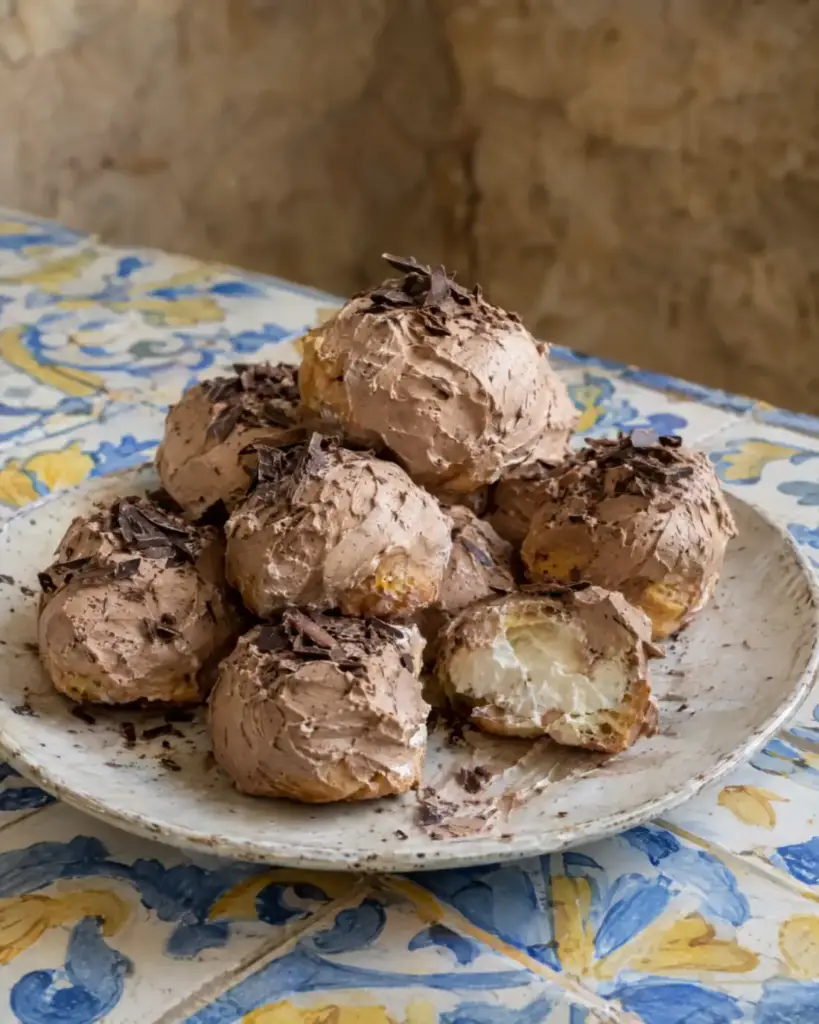
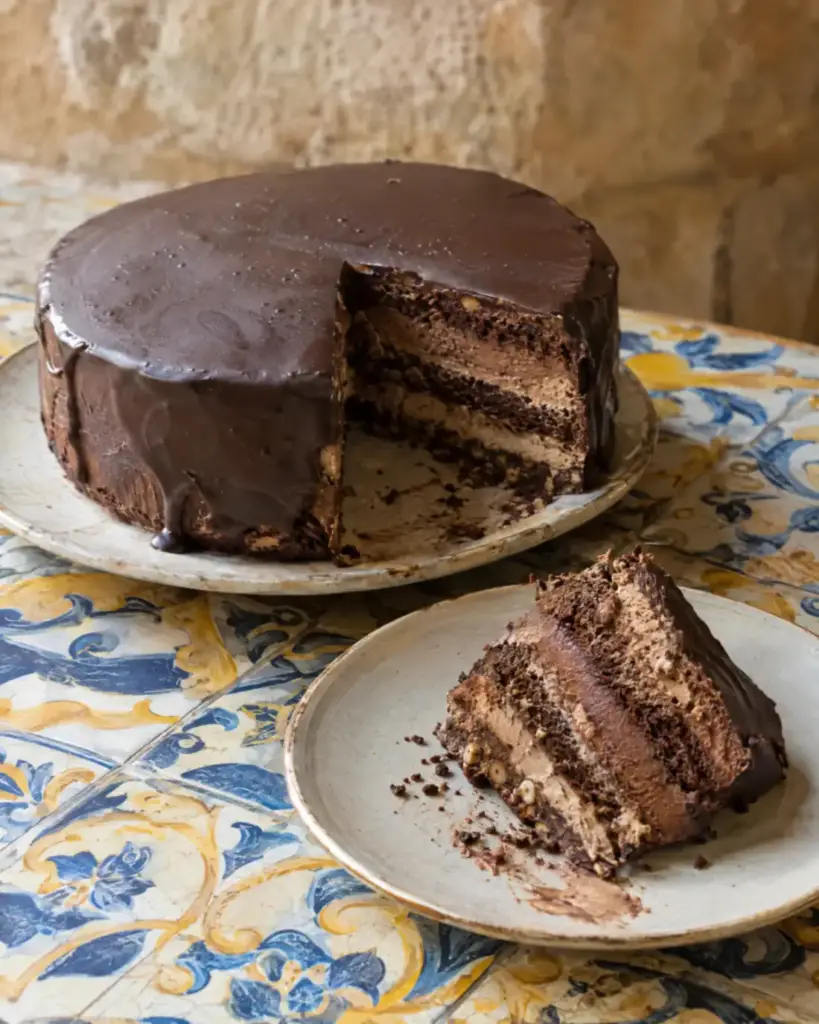
Our guides flavour by flavour: percentages, nutrition values and products side by side.
Creams with maltitol, protein creams and 100% butters: sugars and protein compared.
Twelve pourable flavours for gelato, pancakes and desserts, from pistachio to salted caramel.
Pistachio, chocolate, orange and berries panettone, 100% made in Sicily, with a jar of cream in the box.
Pistachio creams from 20% to 45%, crunchy, kadayif, toppings and panettone.
From Gourmet creams to the 100% Collection, protein creams and professional formats: every collection comes from the same supply chain in Ribera.
Confectionery tradition, organoleptic purity. From pistachio spreads to almond specialities: Sicilian excellence to taste and share.
The pop, irreverent universe of Sicilian taste for the new generations.Beyond the traditional breakfast: two iconic brands designed to break…
100% nuts, nothing else. No added sugar, no additives, no palm oil: pistachio and peanut processed in our Ribera facilities…
Functional nutrition, authentic Sicilian taste.The first line of protein spreads born in official partnership with FIPE (Italian Weightlifting Federation): noble…
Consistent performance, thermal stability, perfect yield.From structure pastes to filling creams for large laboratories: the technical solution for demanding master…