Every December the same friendly debate returns to the table: panettone or pandoro? The choice is often reduced to fruit versus plain dough, a domed loaf studded with raisins and candied peel against a golden eight-pointed star dusted with icing sugar. Behind these two great Italian Christmas cakes, however, lie different dough techniques, aromas and ways of slicing.
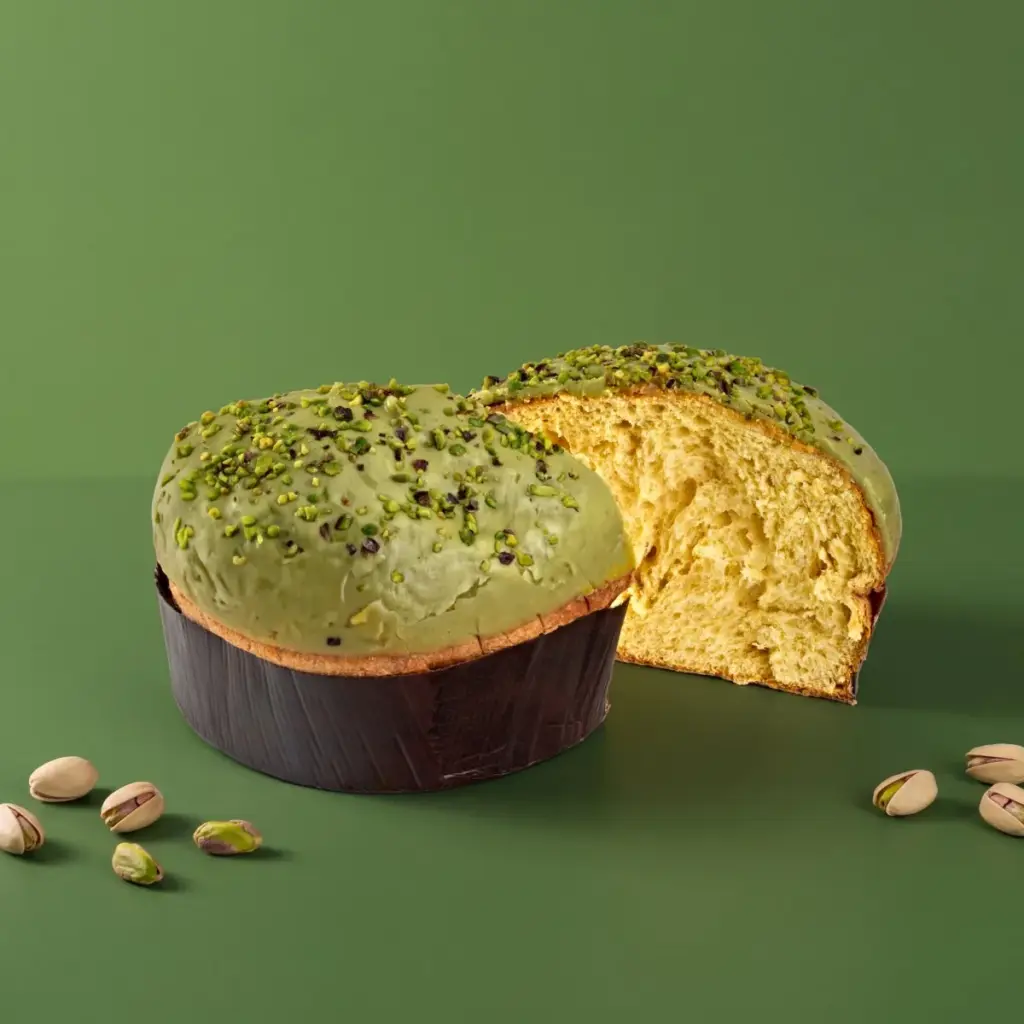
In recent years a third option has brought both sides of the table together: the contemporary artisan panettone made in Sicily with a slow 48-hour leavening, butter, egg yolk, honey and natural yeast, but without raisins or candied peel in the crumb. Knowing what really separates the two cakes makes it easy to choose the right one for your guests and to pair it with the creams that suit it best.
Panettone vs pandoro: a technical comparison at a glance
Both belong to the family of rich leavened cakes made with butter, eggs and sugar, regulated in Italy by the Ministerial Decree of 22 July 2005 on the production and sale of certain baked confectionery. The shape of the mould and the way the dough is worked, however, produce two opposite crumbs.
| Feature | Traditional panettone | Traditional pandoro | Scyavuru 850 g panettone, made in Sicily |
|---|---|---|---|
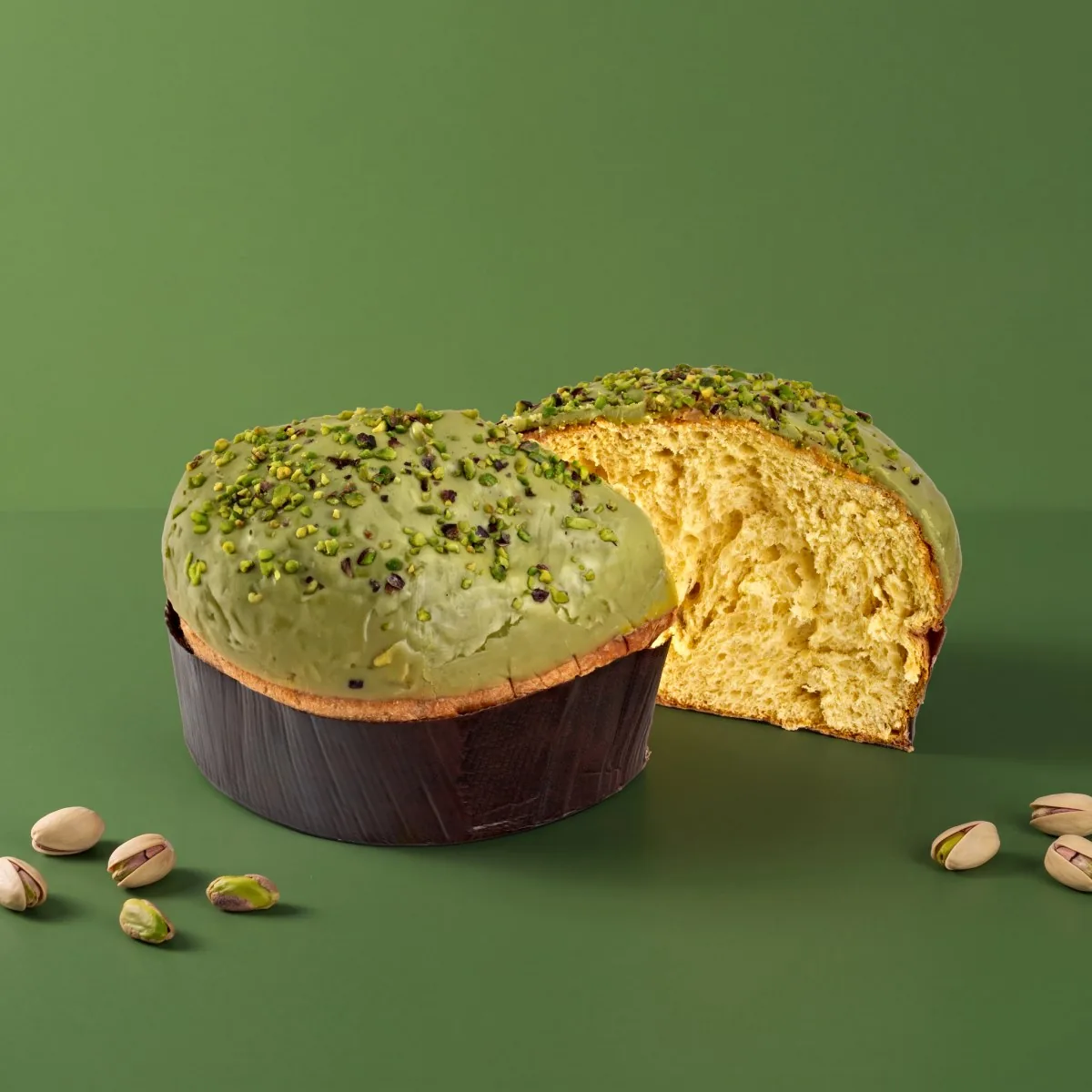
| Shape and baking | Cylindrical with a tall dome, baked in a stiff paper case | Eight-pointed star, baked in a metal mould with no paper case | Tall 850 g dome in a paper case, finished with a decorated glaze, in a hand-illustrated gift box (23 × 29 × 16 cm) |
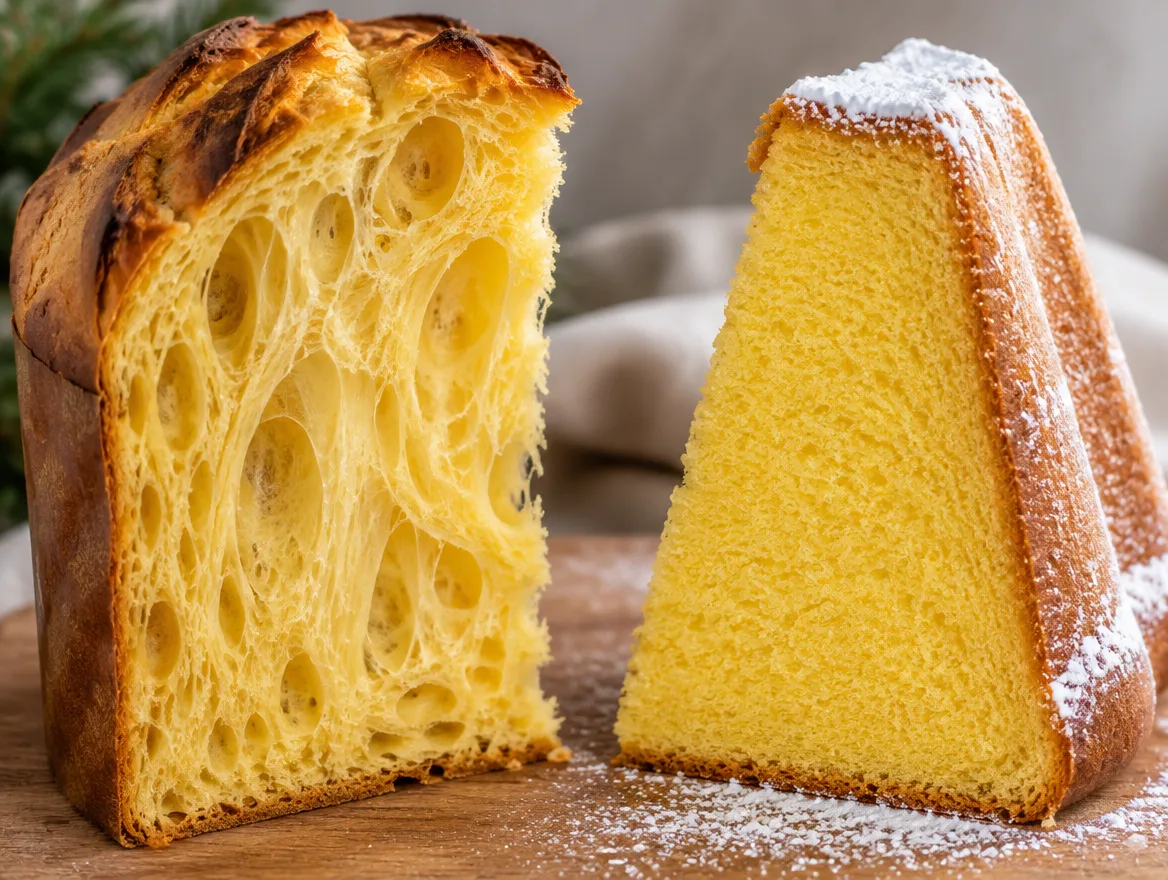
| Crumb | Open, airy crumb with long vertical strands that pull apart | Very fine, closed and spongy, like a rich brioche | Soft, stringy crumb built over a slow 48-hour, multi-stage leavening |
| Inclusions | Sultanas and candied citrus peel in the dough | Smooth dough with no raisins or candied peel | Butter, egg yolk, honey and natural yeast, with no raisins and no candied peel in the crumb |
| Aroma | Natural yeast, candied citrus and butter | Butter, eggs and vanilla, with icing sugar | Honey, butter and natural yeast, with a glazed dome in four flavours: pistachio, orange, chocolate and berries |
| Serving with creams | Tall vertical wedges, with warm cream on the side | Vertical slices or horizontal star layers stacked with cream | Unfilled and with no cream in the box, so you can choose the 200 g jar to pair at the table |
Why many pandoro fans fall for a panettone without candied peel
Ask around the Christmas table why someone prefers pandoro, and more often than not the answer has nothing to do with the star shape or the leavening: they simply do not like biting into raisins or firm cubes of candied citron.
That observation shaped our recipe. We kept everything that makes a great panettone memorable, the slow 48-hour multi-stage leavening, the tall stringy crumb and the fragrance of butter, egg yolk and honey, while leaving the dough completely free of raisins and candied peel. Those who love a clean, even slice find the softness they look for in pandoro, with the airy lightness of a true panettone and the crisp contrast of a glazed dome.
How slicing and cream pairings change between panettone and pandoro
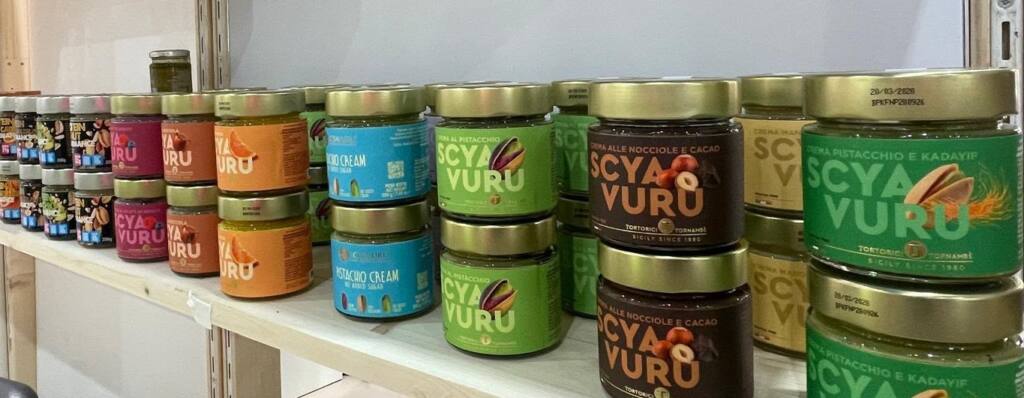
The different crumbs call for different gestures, both when slicing and when pairing our 200 g spreadable creams, which are made in Ribera without palm oil (the decorative glazes of our panettoni, on the other hand, contain palm fats, declared on the label):
- Temperature and knife: both cakes lose aroma when cold. Leave the box at room temperature for at least two hours, or warm the cake for 3 to 4 minutes in an oven heated to 40 to 50 °C and then switched off, and always slice with a long serrated knife, as explained in our guide on how to serve panettone.
- Wedges or filled layers: tall vertical wedges served with small bowls of warm cream keep the open crumb light; if you prefer to cut the cake into horizontal discs and fill it in advance, follow our step-by-step guide on how to fill panettone.
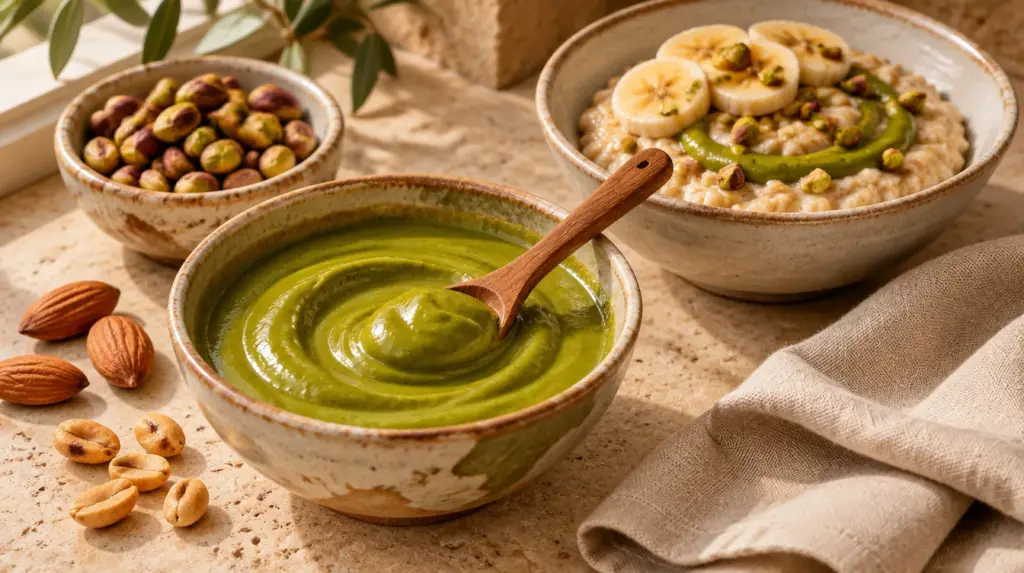
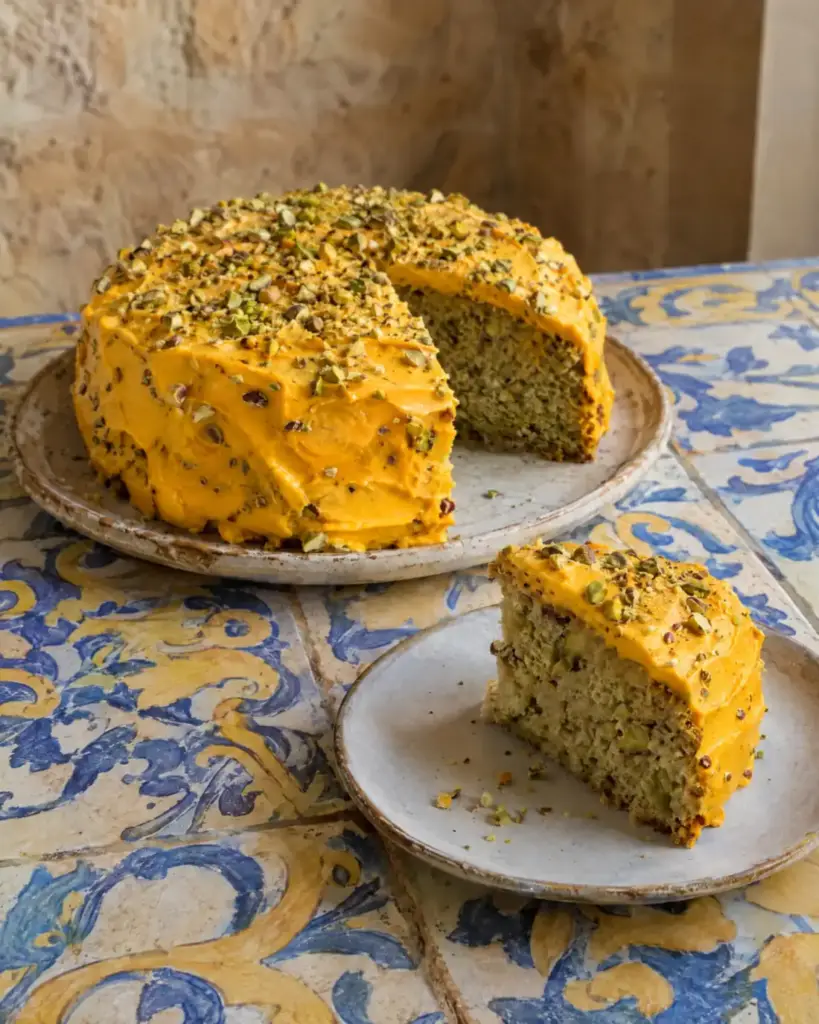
- Honey-scented, stringy crumb: pistachio cream (25% or 45%) and orange cream bring out the roasted nut and citrus notes.
- Richer, vanilla or chocolate slices: hazelnut and cocoa cream gives a round, classic finish.
Whichever cake opens dessert, the difference on the spoon always starts with the raw materials. In Ribera, in the Platani Valley in the province of Agrigento, the Tortorici and Tornambè families have farmed the land since 1950; Scyavuru was founded in 1980, the brand was born in 2005 and today works with partners in more than 60 countries. In our facility in Contrada Castellana, 92016 Ribera, powered entirely by self-produced photovoltaic energy and certified BRCGS and IFS Food, we turn citrus and selected nuts into the creams that accompany every festive slice, sold on the official online shop by its official distributor and shipped from our logistics partners’ warehouse.