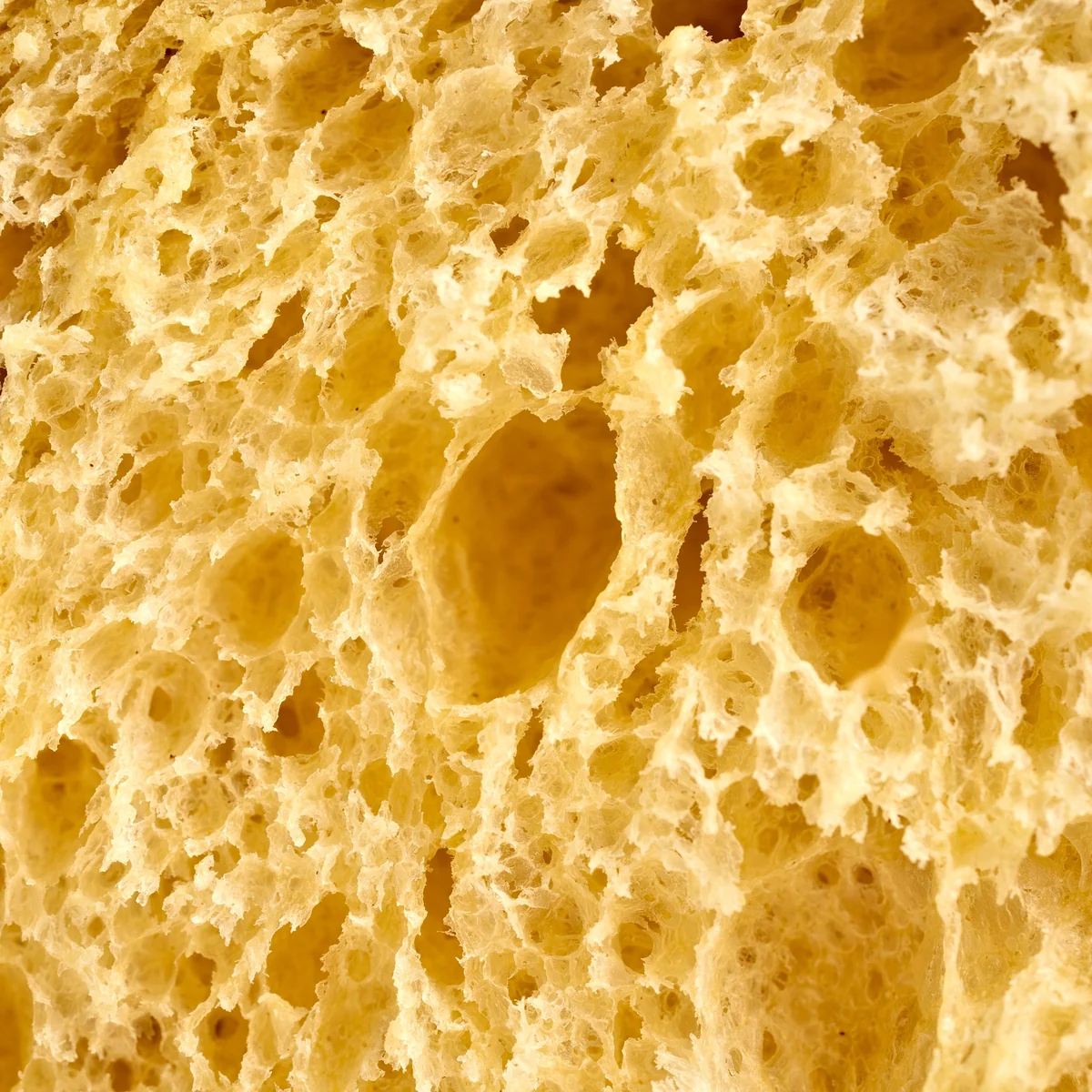
A good panettone deserves a few minutes of attention before it reaches the table. Behind a well-risen dome and a soft, stringy crumb lie days of patient work: in our classic recipe made with butter, egg yolk, honey and natural sourdough, a slow 48-hour multi-stage leavening builds structure and aroma without any raisins or candied citrus peel inside the dough. Yet the wrong knife or a cold pantry temperature is enough to mute half of that fragrance right when you slice it.
Bringing it to the table properly does not require complicated gestures, just a few precise habits: giving the loaf time to reach room temperature, choosing the right blade, knowing the difference between tasting wedges and horizontal layers for filling, pairing spreads and dessert wines without overwhelming the dough, and storing leftover slices so they stay tender over the following days.
Before bringing panettone to the table: resting time and ideal temperature
The simplest secret to enjoying a festive leavened cake starts a couple of hours before sitting down, long before you pick up a knife. In winter, unheated pantries and kitchens often keep panettone too cold: the butter in the dough stays firm, locks in the aromatic notes of honey and egg yolk, and makes the crumb feel denser on the palate.
Leave the panettone closed inside its box at room temperature for at least two hours before opening it. As it rests, the butter softens gradually and the natural sourdough aromas open up again. If you prefer serving each slice slightly warm at the end of dinner, avoid the microwave (which dries out internal moisture in seconds) and use gentle, indirect warmth instead: three or four minutes in a pre-warmed oven that has already been switched off, at around 40 to 50 °C, or a few minutes near the gentle warmth of the stove. The goal is never to heat the cake through or melt its topping, only to restore the fragrance of a freshly baked loaf.
When a panettone wears a glazed, decorated crown (topped with chopped nuts, chocolate curls or berry crumble), keep it well away from the upper heating element of the oven: warmth should rise softly from below or from still warm air, keeping the glaze crisp and intact while the heart turns pillowy.
How to cut panettone without crushing the crumb
Pressing a smooth-edged knife onto the dome of a tall leavened cake is the most common mistake at Christmas: to break through the glaze you end up pushing downward, compressing the open honeycomb crumb that took two full days of leavening to develop. A clean slice takes just three simple steps.
1. Peel back the paper baking mould gently
Set the loaf on a wide wooden board and use the tip of a small paring knife to score the vertical rim of the rigid paper collar, peeling it away slowly around the sides just like the skin of a piece of fruit. Leave the paper base attached underneath: it keeps the loaf steady while you slice and prevents crumbs from scattering across the table.
2. Use a long serrated bread knife
Reach for a bread knife with a long serrated blade (at least 22 to 25 cm). Never press down with force: guide the blade back and forth with a light sawing motion, letting the teeth score the crisp glaze first and then glide cleanly through the airy crumb.
3. Choose between vertical wedges and horizontal discs
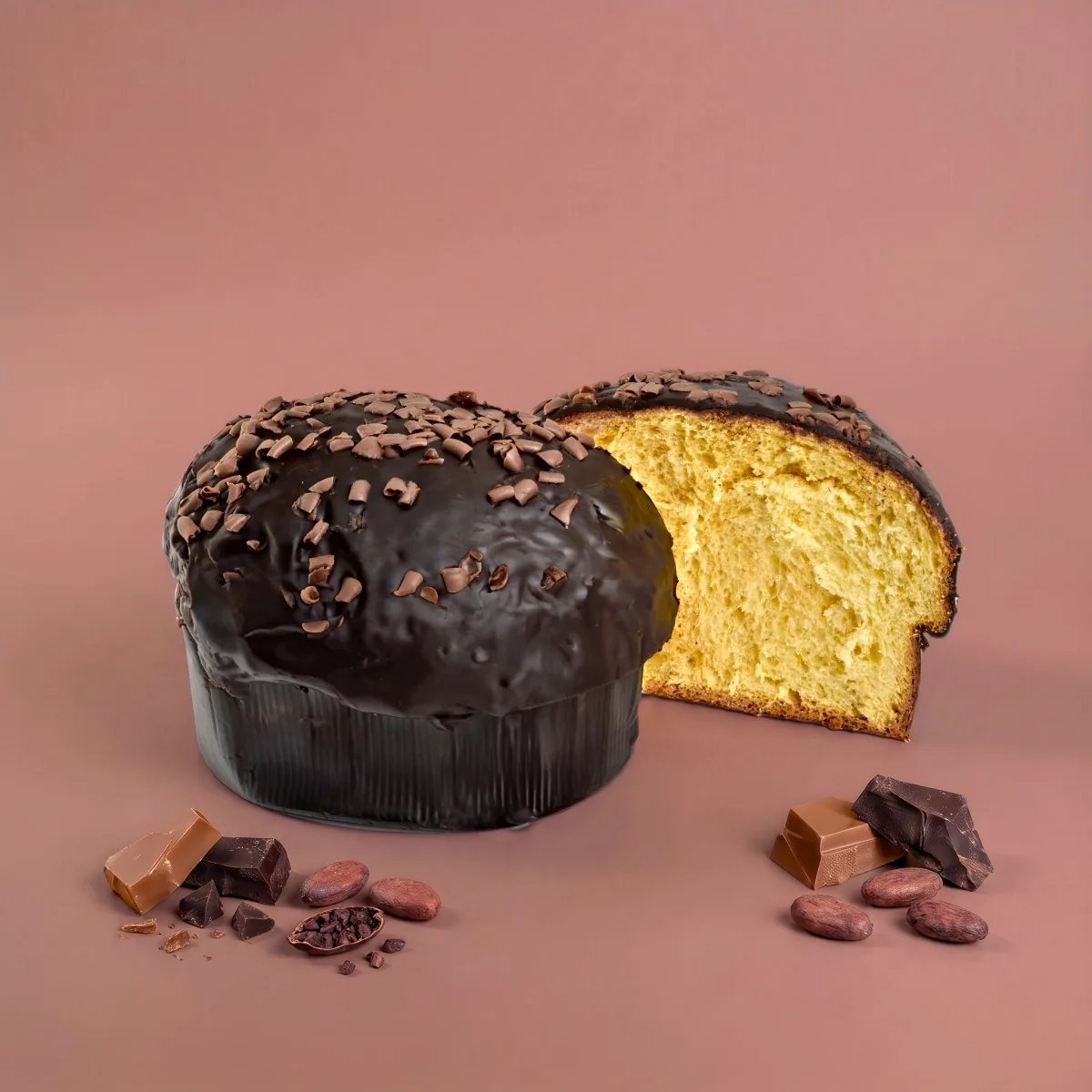
When serving an unfilled panettone, slice vertically from the center of the dome straight down to the base to create tall, even wedges (usually eight to ten slices for an 850 g loaf). That way every guest receives the right balance of crunchy glaze, topping and soft yellow crumb on their plate.
If instead you want to bring the loaf to the table already layered with cream inside, change direction and slice horizontally into three or four even discs with your serrated knife before reassembling the cake: you can follow all the step-by-step instructions in our dedicated guide on how to fill panettone at home.
What to serve with panettone: creams on the side, pairings and glasses
A clean, fragrant dough free from raisins and candied peel opens up plenty of ways to enjoy dessert or an afternoon holiday break. Alongside the wedges you can set out a bowl of spoon-whipped mascarpone with a touch of vanilla, lightly sweetened fresh whipped cream, a steaming stovetop moka pot for the morning after, or a chilled Sicilian dessert wine such as Passito di Pantelleria or Marsala Superiore served cool rather than icy.
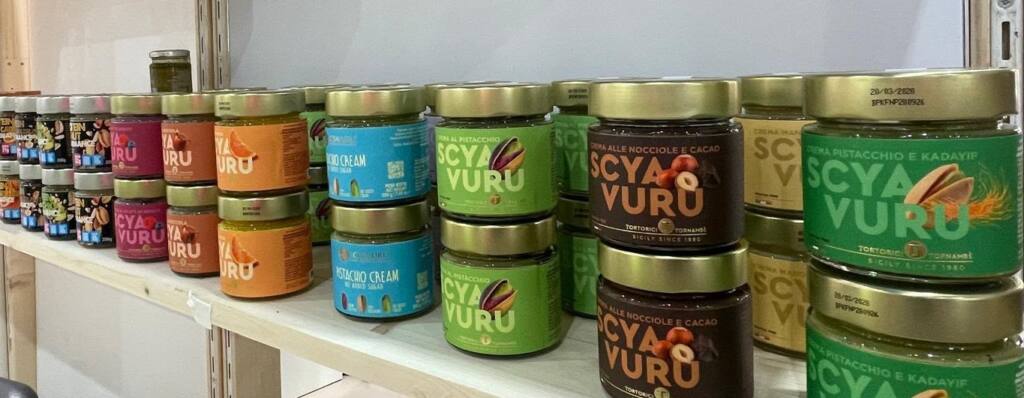
For anyone who loves sweet spreads, the most convivial approach is bringing the jars straight to the table beside the cutting board so each guest can dress their own slice. That is precisely why each of our gift boxes holds an 850 g unfilled panettone without a jar of cream included inside: everyone chooses their preferred 200 g jar made in Ribera separately and decides at the table how to enjoy it. You can spread the cream straight from the jar onto each wedge, or warm two spoonfuls gently over a low bain-marie until silky and drizzle it over a freshly cut slice:
- with a pistachio glaze and chopped nuts, the natural match is pistachio cream, from the classic 25% pistachio spread (200 g) to our richer 45% pistachio cream;
- with bright citrus aromas, orange cream echoes the grove tradition of the Ribera countryside;
- beside cocoa glaze and milk chocolate curls, hazelnut spread brings a rounded balance, such as our 20% hazelnut and cocoa recipe;
- with red-berry glaze and crumble, almond cream or a ribbon of salted caramel spread creates a smooth, enveloping contrast.
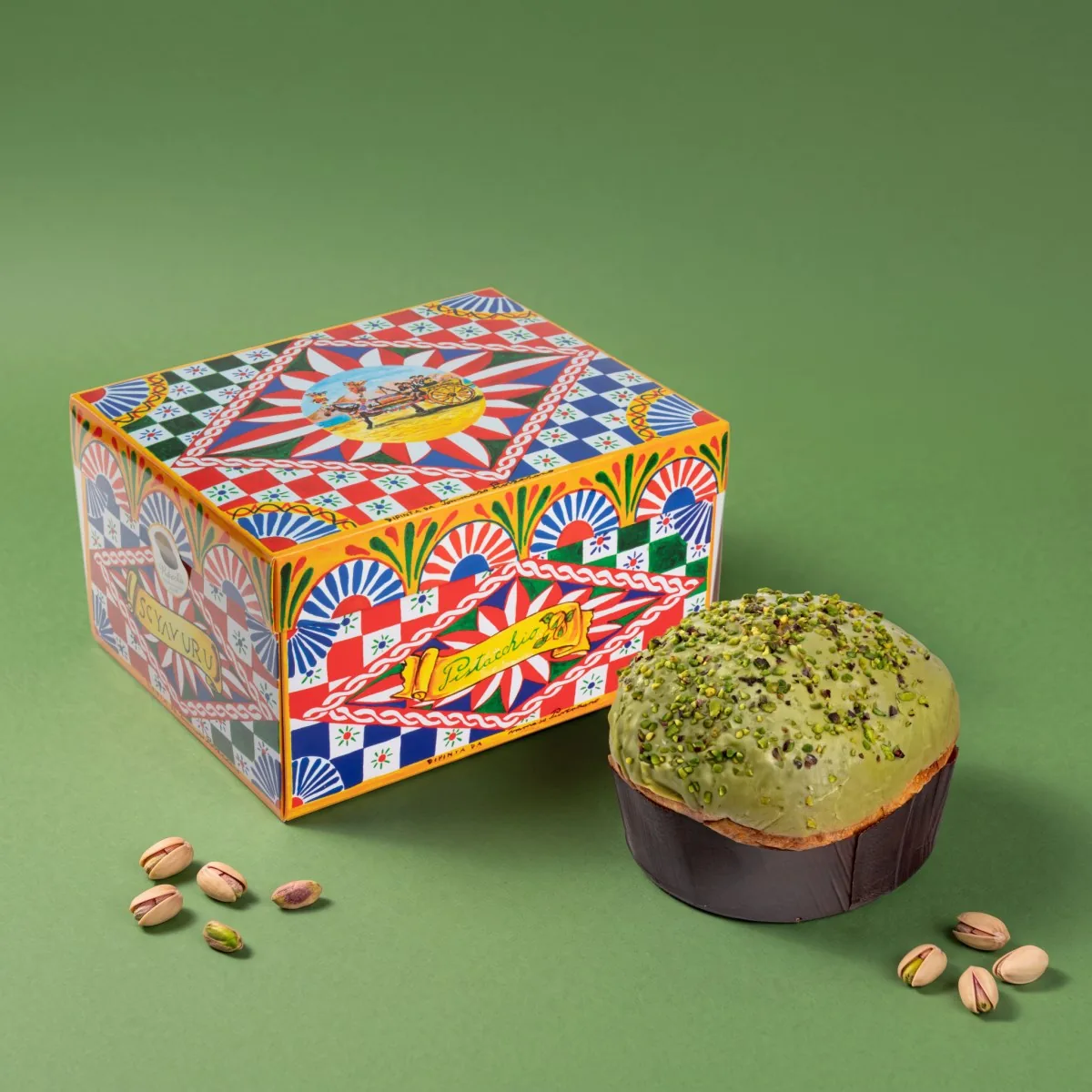
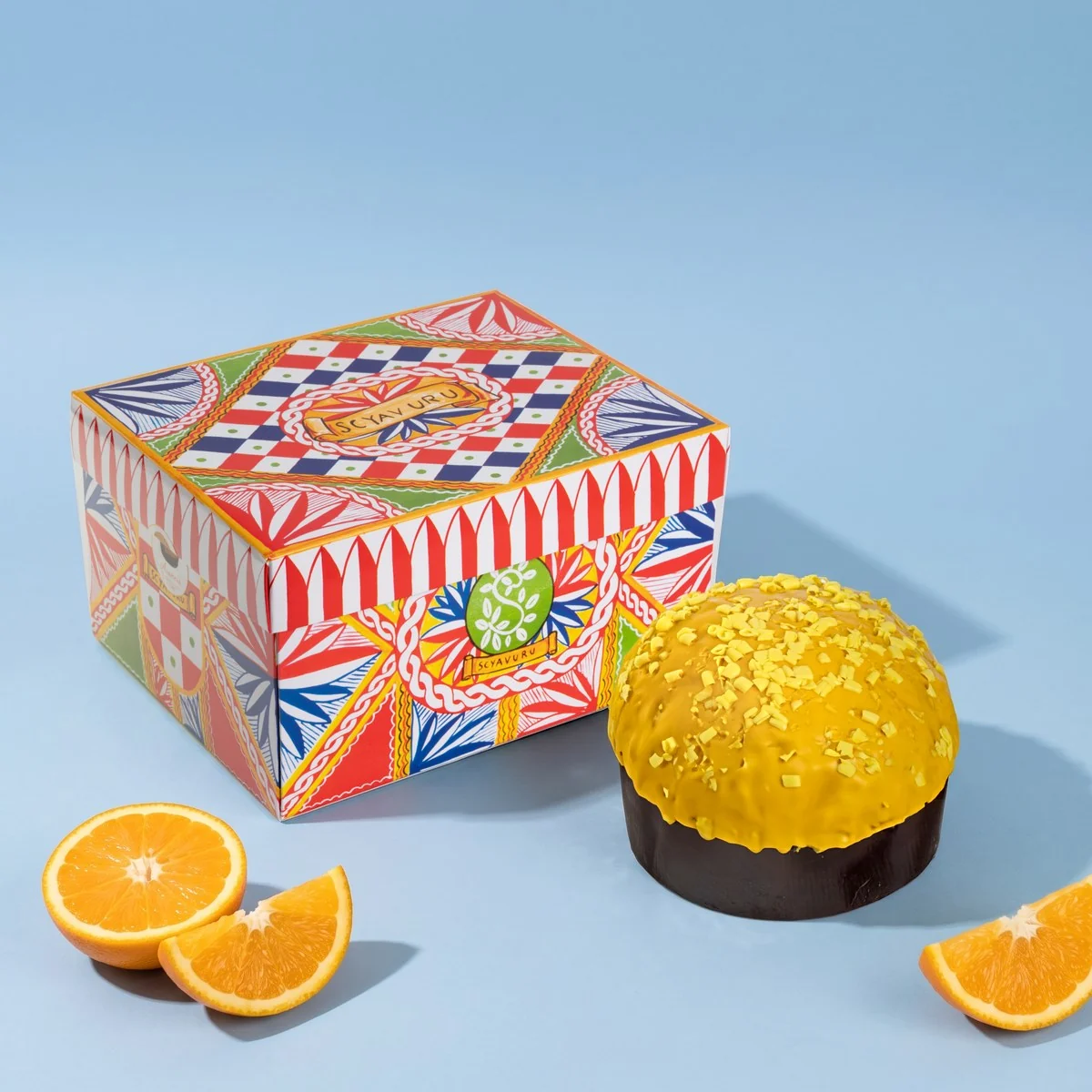
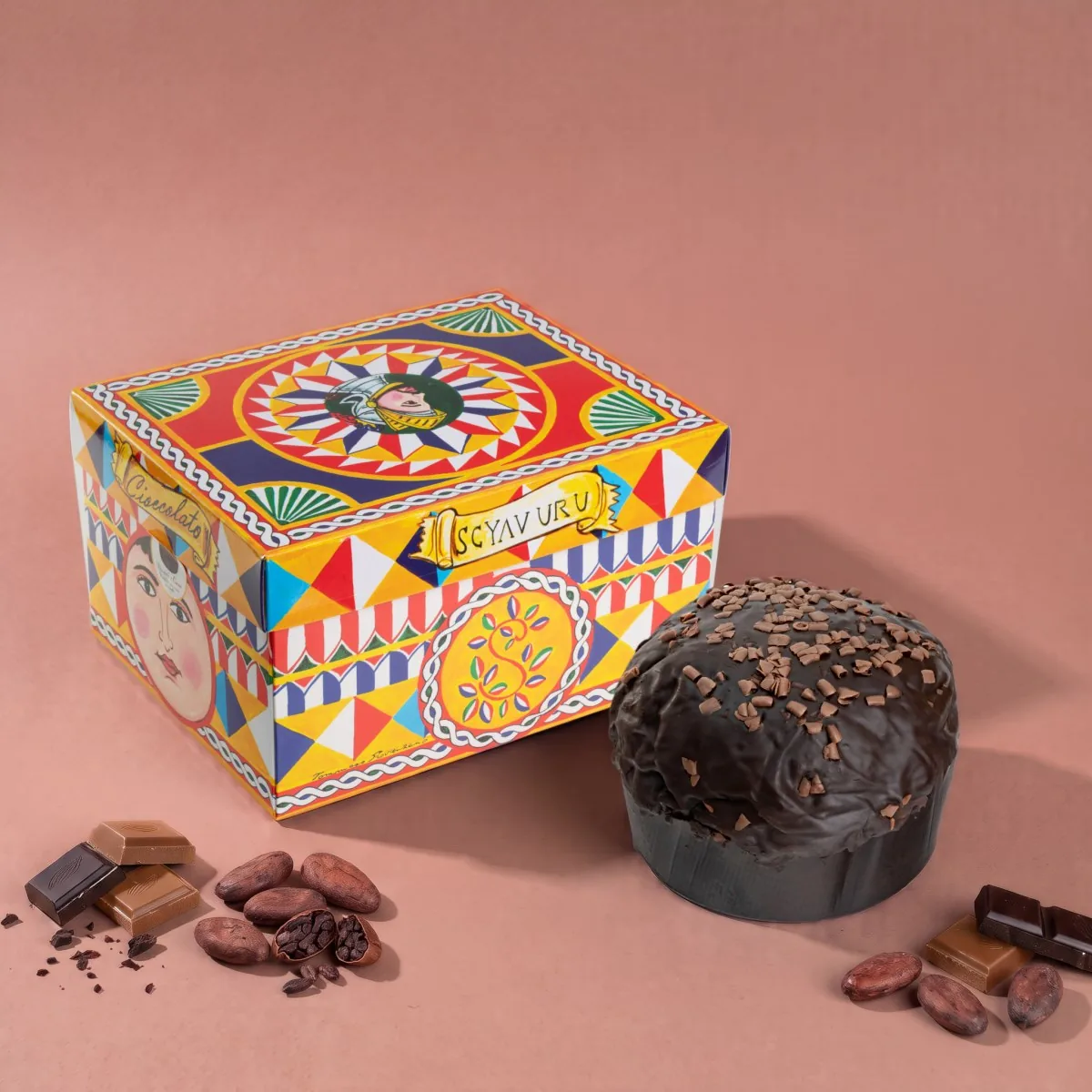
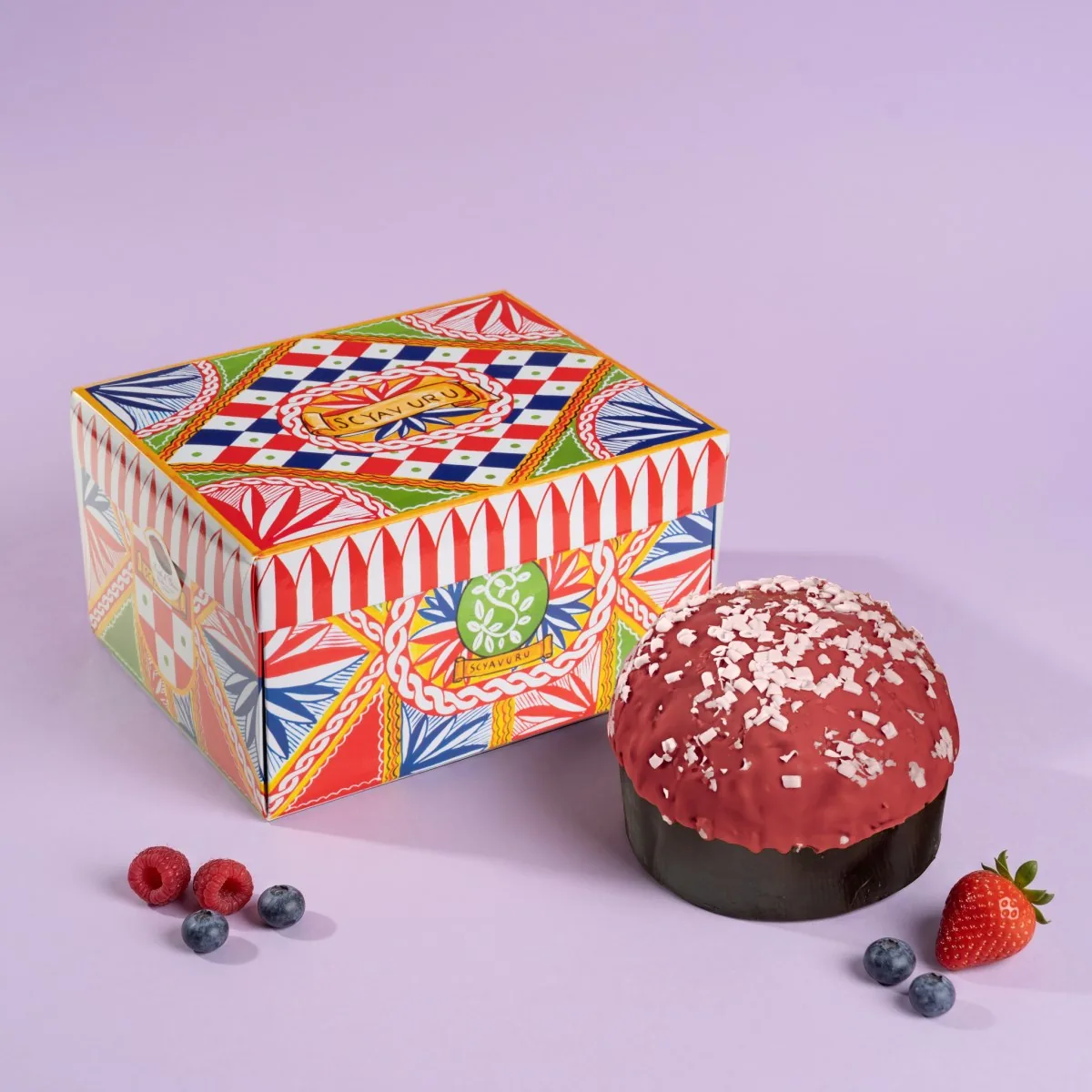
A note on label transparency that always matters to us: the glazes and decorations of our panettoni contain palm fats, which is why we do not describe the panettone itself as palm-oil-free. By contrast, the 200 g jars of spreadable creams you can pair on the side are crafted in Ribera without palm oil, using sunflower oil, cocoa butter and extra virgin olive oil. Complete ingredient lists and allergen details are always available on each individual product page.
| Serving stage | Recommended gesture | Why it protects texture and aroma |
|---|---|---|
| Resting before slicing | Keep in its box at room temperature for at least 2 hours | Softens the butter naturally and releases honey, egg yolk and sourdough aromas |
| Optional gentle warming | 3 to 4 minutes in a switched-off warm oven (40 to 50 °C), never in the microwave | Restores fresh-from-the-oven fragrance without drying the crumb or melting the glaze |
| Cutting clean slices | 22 to 25 cm serrated bread knife, vertical wedges for table service (8 to 10 slices) | Scores the crisp glaze cleanly without compressing the 48-hour honeycomb crumb |
| Serving with spreads | Bring separate 200 g jars to the table or warm 2 spoonfuls gently in a bain-marie | Lets every guest customize their slice while keeping the loaf light and unfilled |
| Storing leftovers | Seal promptly in the original bag pressing air out, keep in a cool dry pantry (never fridge) | Prevents starch crystallization and butter hardening so slices stay soft for days |
How long panettone keeps and how to store it soft
Unopened in its original packaging, our panettone keeps for 110 days from the date of production. Until you open it, store the box in a cool, dry cupboard away from direct sunlight, humidity and heat sources such as ovens, radiators or high kitchen shelves. Never put panettone in the refrigerator: cold air accelerates starch crystallization and firms up the butter, robbing the slice of its tenderness.
Once opened, panettone is at its best within a few days. The single most effective habit is slipping the remaining loaf straight back into its original clear bag right after serving, pressing out excess air and tying it shut securely: that simple barrier stops the crumb from drying out on contact with room air. Any opened jar of cream should likewise be closed tightly after each use and stored in the pantry according to the instructions printed on its label.
And once the last slice has been shared, the gift box remains: hand-illustrated in traditional Sicilian style and finished with a rope handle (23 × 29 × 16 cm), it is designed to stay in your home and be reused long after the holidays.
If slices are left after the holidays: quick breakfast and dessert ideas
When a few wedges remain in the bag after Christmas Day or New Year’s lunch, they turn into a wonderful base for slow holiday mornings. Warm a thick slice briefly in a non-stick skillet with a small knob of butter until the edges turn golden, or dip it quickly in beaten egg and milk for a festive French toast finished off the heat with a spoonful of spreadable cream.
If the remaining pieces have grown slightly drier, cut them into neat cubes: layered in individual glasses with spooned mascarpone or whipped cream and a dusting of unsweetened cocoa powder, they become an effortless, zero-waste spoon dessert in minutes.
From Ribera to the Christmas table
For us, caring for what reaches the holiday table begins long before December. The Tortorici and Tornambè families have worked the land in Ribera, in the province of Agrigento, since 1950; Scyavuru was founded in 1980, the brand launched in 2005, and today we work alongside partners in more than 60 countries. At our facility in Contrada Castellana, 92016 Ribera, powered entirely by self-generated solar photovoltaic energy and holding BRCGS and IFS Food certifications, we oversee every step of our cream production in-house, from incoming raw-material checks to the sealed, labelled jar.
If you would like to bring one of our festive loaves to the table, you can explore all four varieties in our artisan panettone guide (starting from our 850 g Pistachio Panettone alongside the Orange, Chocolate and Berries editions), crafted in Sicily and sold on the official Scyavuru online shop by its official distributor, shipped from the warehouse of our logistics partners. And if you are putting together a thoughtful gift for friends, colleagues or clients, take a look at our custom gift box builder, our Christmas food gift ideas or our dedicated corporate Christmas gifts solutions.
.postid-5078 .page-banner-article { min-height: 490px !important; background-position: center 62% !important; }